Many septic requests start with a simple question: is it time to pump the tank, or is there a symptom that needs urgent attention? Timing depends on the home and the system.
Published by Lakeland Septic Help. Last updated 2026-07-19. This guide is educational and does not replace an on-site diagnosis, professional advice, or manufacturer instructions.
What changes the pumping interval
There is no single schedule that fits every home. Household size, tank size, water use, garbage disposal use, and system age can all change the right timing.
- More people in the home usually means more frequent service
- Garbage disposals can add solids to the tank
- Older or unknown systems may need closer inspection
- Long gaps since the last pump can increase risk
Signs not to wait for routine scheduling
Some symptoms are not just maintenance reminders. Gurgling toilets, multiple slow drains, sewage odor, and wet drain field areas are worth acting on quickly.
- Backups in tubs, toilets, showers, or floor drains
- Strong odor near drains or outside
- Wet or unusually green yard over the drain field
- Slow drains throughout the home
What to include in the request
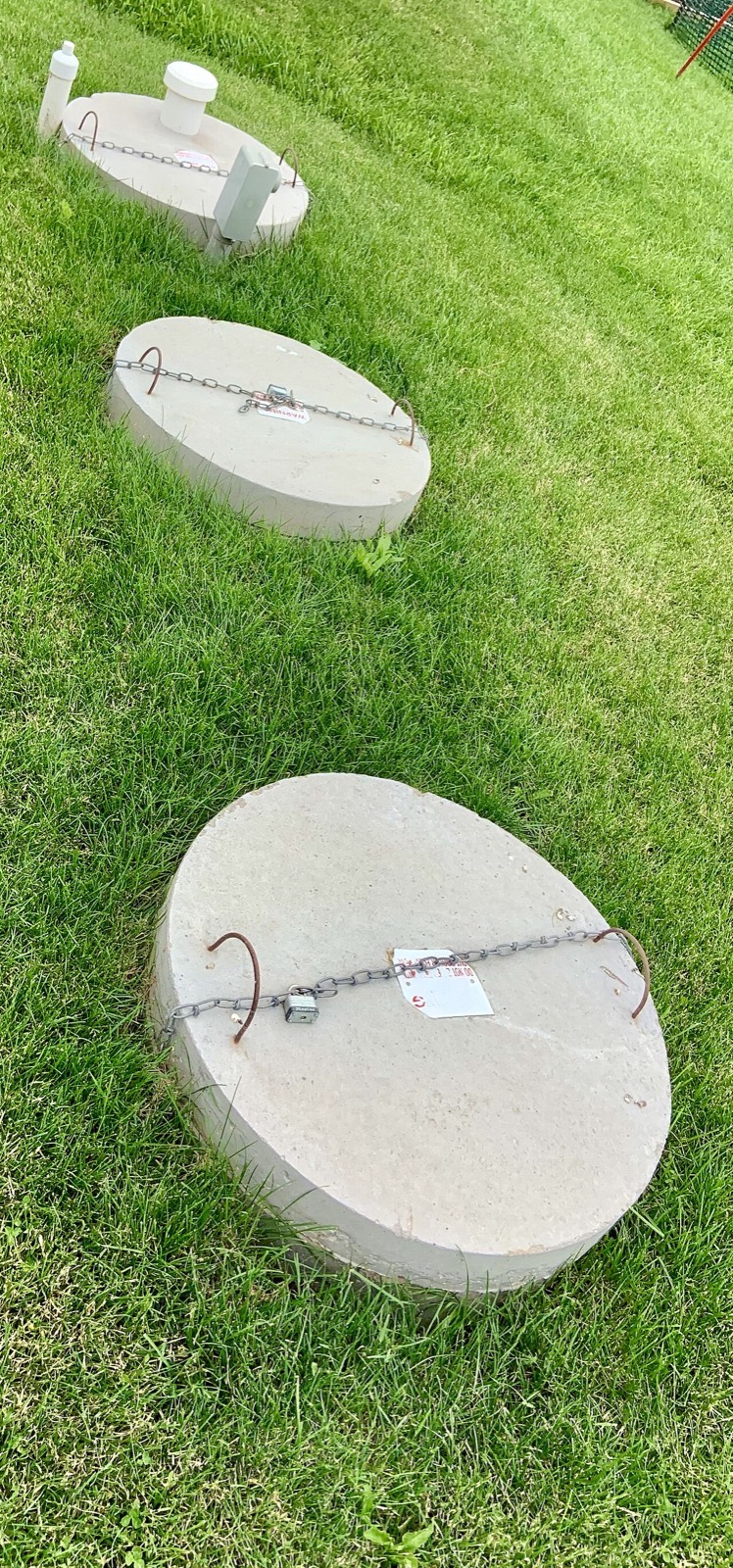
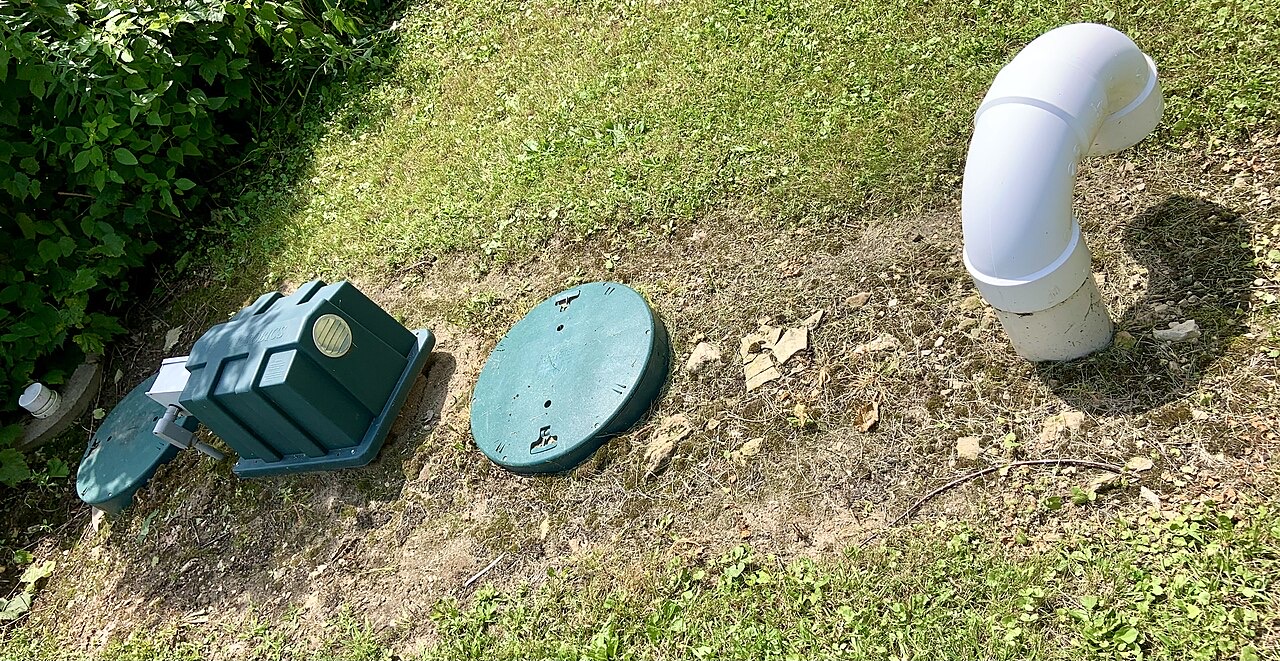
Share the last pump date, number of bathrooms, household size, tank location, lid access, current symptoms, and whether the request is tied to a sale or inspection deadline.
Helpful references
We use primary and authoritative sources where practical. These references help consumers check safety and maintenance basics before requesting service.